Understanding Captive Screws and Their Industrial Role
Captive screws are specialized fastening components designed to remain attached to a panel, cover, or assembly even when loosened. Unlike standard screws that can fall out completely during maintenance or disassembly, captive screws stay secured within the equipment structure. This simple yet highly effective design provides significant operational and financial advantages across many industries.
Manufacturers use captive screws extensively in electronics, telecommunications, aerospace, medical devices, industrial machinery, data centers, and transportation systems. Their primary purpose is to simplify assembly and maintenance processes while reducing the risk of lost fasteners and operational delays.
Although captive screws may appear to be a small component within a larger system, they can have a major impact on production efficiency and long-term cost control. By minimizing maintenance errors, reducing downtime, and improving equipment reliability, captive screws help companies lower operational expenses and improve overall productivity.
How Captive Screws Work
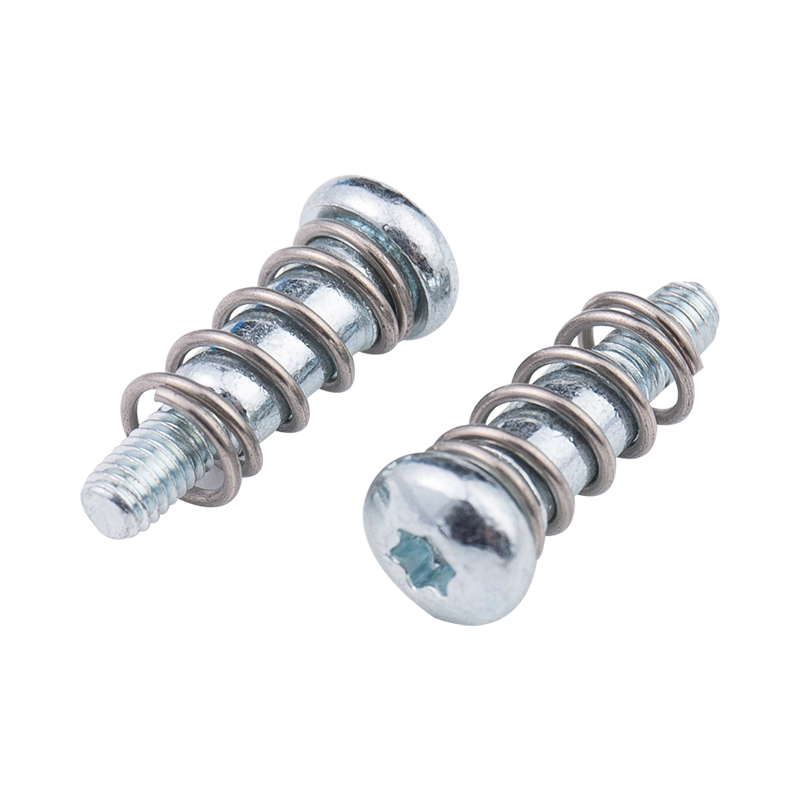
A captive screw is engineered with a retaining mechanism that prevents it from separating completely from the panel or housing. This retention may be achieved through grooves, retaining rings, shoulder designs, spring-loaded mechanisms, or specially designed threaded sections.
During operation, the screw can be loosened enough to open or remove a panel while remaining physically connected to the equipment. Once maintenance or servicing is complete, the screw can be retightened without requiring separate fastener handling.
This design eliminates many common problems associated with traditional screws, such as misplaced hardware, incomplete reassembly, and accidental contamination caused by loose metal components inside equipment.
Các thành phần chính của hệ thống vít cố định
- Retaining grooves that prevent full screw removal.
- Threaded shafts designed for repeated fastening cycles.
- Cơ chế lò xo giúp cải thiện khả năng giữ bảng.
- Captive washers or retaining rings for secure positioning.
- Specialized head designs for tool-free or quick access operation.
Reducing Maintenance Costs Through Fastener Retention
One of the biggest ways captive screws help control costs is by reducing maintenance-related expenses. In industrial and electronic systems, routine servicing often requires repeated opening and closing of equipment panels. Standard screws can easily become lost during these procedures, especially in fast-paced production environments.
Thiếu vít tạo ra nhiều vấn đề. Maintenance personnel may need additional time to locate replacement fasteners, which increases labor costs and extends equipment downtime. In some cases, the correct replacement hardware may not be immediately available, delaying repairs even further.
Captive screws eliminate this issue because the fasteners remain attached to the panel throughout the maintenance process. Technicians can work more efficiently without worrying about misplaced hardware.
Lợi ích chi phí bảo trì
- Giảm chi phí thay thế dây buộc.
- Thời gian bảo trì thiết bị ngắn hơn.
- Giảm chi phí lao động trong quá trình hoạt động phục vụ.
- Giảm nguy cơ lắp ráp lại thiết bị không đầy đủ.
- Cải thiện hiệu quả công việc bảo trì.
Giảm thiểu thời gian ngừng hoạt động của thiết bị
Equipment downtime is one of the most expensive operational problems in manufacturing and industrial environments. Production delays can result in lost revenue, missed delivery schedules, and reduced productivity.
Captive screws help minimize downtime by simplifying equipment access and accelerating maintenance procedures. Technicians can quickly remove and reinstall access panels without managing loose hardware components.
In industries such as telecommunications and data centers, even short service interruptions can have significant financial consequences. Captive screws improve service speed and reduce the likelihood of errors that may extend repair times.
| Operational Issue | Vít truyền thống | Captive Screws |
| Lost Fasteners | Common | Rare |
| Maintenance Time | dài hơn | ngắn hơn |
| Equipment Downtime | Cao hơn | Hạ xuống |
| Assembly Errors | More Frequent | Giảm |
| Operational Reliability | Variable | Improved |
Cải thiện hiệu quả dây chuyền lắp ráp
Captive screws contribute to faster and more efficient assembly processes. In manufacturing environments where large numbers of panels, enclosures, or electronic devices are assembled daily, handling loose screws can slow production speed.
Because captive screws remain attached to components, workers spend less time aligning, sorting, and retrieving fasteners. This reduces repetitive handling tasks and improves assembly consistency.
Automated assembly systems also benefit from captive screw designs. Retained fasteners are easier for robotic tools and automated stations to position accurately, improving production precision and reducing defect rates.
Ưu điểm hiệu quả lắp ráp
- Cài đặt và gỡ bỏ bảng điều khiển nhanh hơn.
- Giảm sự gián đoạn của dây chuyền lắp ráp.
- Lower risk of missing hardware during production.
- Cải thiện khả năng tương thích tự động hóa.
- Chất lượng lắp ráp phù hợp hơn.
Tăng cường độ an toàn và độ tin cậy của thiết bị
Loose screws inside machinery or electronic equipment can create serious operational risks. In electronic systems, stray metal components may cause short circuits, electrical failures, or equipment damage. In mechanical systems, loose fasteners may interfere with moving parts and compromise safety.
Captive screws significantly reduce these risks by ensuring that fasteners remain securely attached during maintenance procedures. This improves equipment reliability and reduces the likelihood of accidental internal contamination.
Industries such as aerospace, medical equipment manufacturing, and military systems often require captive fasteners specifically because of their reliability and safety advantages. Preventing foreign object damage is essential in these highly sensitive environments.
Hỗ trợ tuân thủ quy định
Many industries operate under strict quality and safety regulations. Captive screws help manufacturers meet compliance requirements related to product integrity, equipment safety, and contamination prevention.
In medical and pharmaceutical equipment, for example, loose fasteners can create contamination hazards. Captive screws reduce the possibility of detached components entering sterile or controlled environments.
In aerospace and defense applications, maintenance procedures often require detailed accountability for all hardware components. Captive screws simplify inventory control and reduce the risk of missing fasteners during inspections.
Tiết kiệm chi phí dài hạn thông qua độ bền
Captive screws are typically designed for repeated use in high-maintenance environments. Nhiều loại được sản xuất từ các vật liệu bền như thép không gỉ, thép hợp kim hoặc kim loại chống ăn mòn có thể chịu được các chu kỳ buộc chặt thường xuyên.
Their durability contributes to long-term cost savings because fewer replacements are required over the lifespan of the equipment. High-quality captive screws also maintain consistent fastening performance, reducing the likelihood of thread damage or fastening failure.
Although captive screws may initially cost more than standard screws, their operational advantages often result in significantly lower total ownership costs over time.
Lợi ích tài chính dài hạn
- Giảm mua phần cứng thay thế.
- Chi phí lao động bảo trì thấp hơn.
- Cải thiện tuổi thọ và độ tin cậy của thiết bị.
- Giảm nguy cơ thất bại trong hoạt động.
- Giảm tổn thất tài chính liên quan đến thời gian ngừng hoạt động.
Ứng dụng trên nhiều ngành công nghiệp
Captive screws are used in a wide range of industries because of their versatility and operational benefits.
Điện tử và Viễn thông
Servers, networking equipment, control panels, and telecommunications systems frequently use captive screws to simplify maintenance and protect sensitive electronic components.
Thiết bị y tế
Medical devices require secure and contamination-resistant fastening systems. Captive screws support equipment reliability and hygiene standards.
Aerospace and Defense
Aircraft panels, avionics systems, and military equipment use captive screws to reduce foreign object risks and support strict maintenance accountability procedures.
Máy móc công nghiệp
Manufacturing equipment often requires regular maintenance access. Captive screws simplify service operations while improving worker efficiency.
Chọn thiết kế vít cố định phù hợp
Selecting the proper captive screw depends on several factors, including material compatibility, panel thickness, vibration resistance, environmental conditions, and required fastening strength.
Designers must also consider whether the application requires tool-free access, tamper resistance, or corrosion protection. Stainless steel captive screws are often preferred for harsh or hygienic environments because they resist rust and chemical exposure.
Proper installation and compatibility with panel materials are equally important for maximizing long-term performance and cost-saving benefits.
Kết luận
Captive screws provide far more value than simple fastening functionality. By preventing lost hardware, reducing maintenance time, improving assembly efficiency, and minimizing operational downtime, they help manufacturers control costs across multiple areas of operation.
Their ability to improve equipment reliability and support regulatory compliance makes them especially valuable in industries where safety, precision, and contamination control are critical. Although they may represent a small portion of a product’s total cost, captive screws can deliver substantial long-term financial and operational advantages.
Khi các hệ thống sản xuất tiếp tục ưu tiên hiệu quả và độ tin cậy, vít cố định sẽ vẫn là một thành phần quan trọng đối với các công ty đang tìm kiếm giải pháp thiết thực để giảm chi phí bảo trì và cải thiện hiệu suất hoạt động tổng thể.